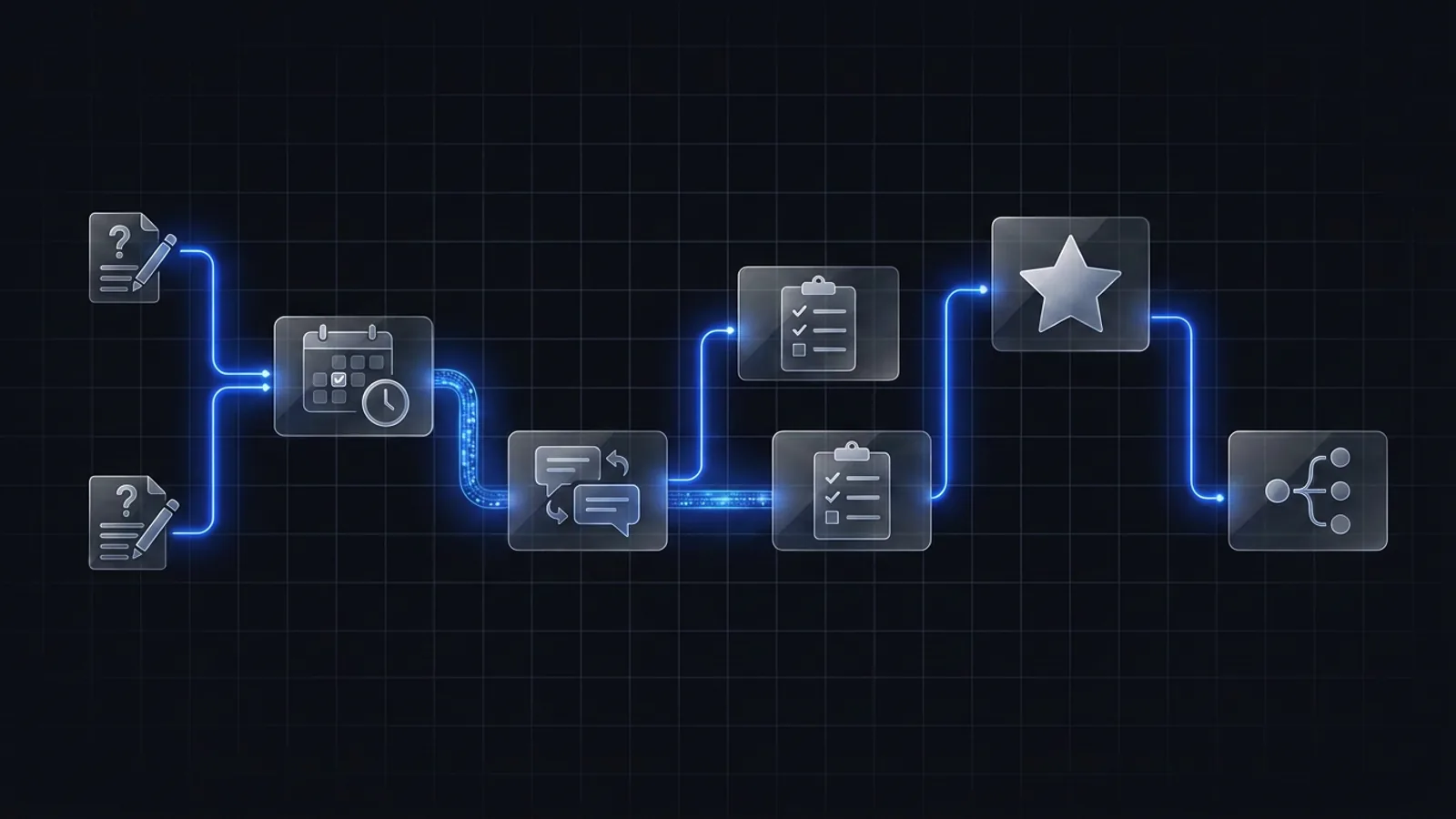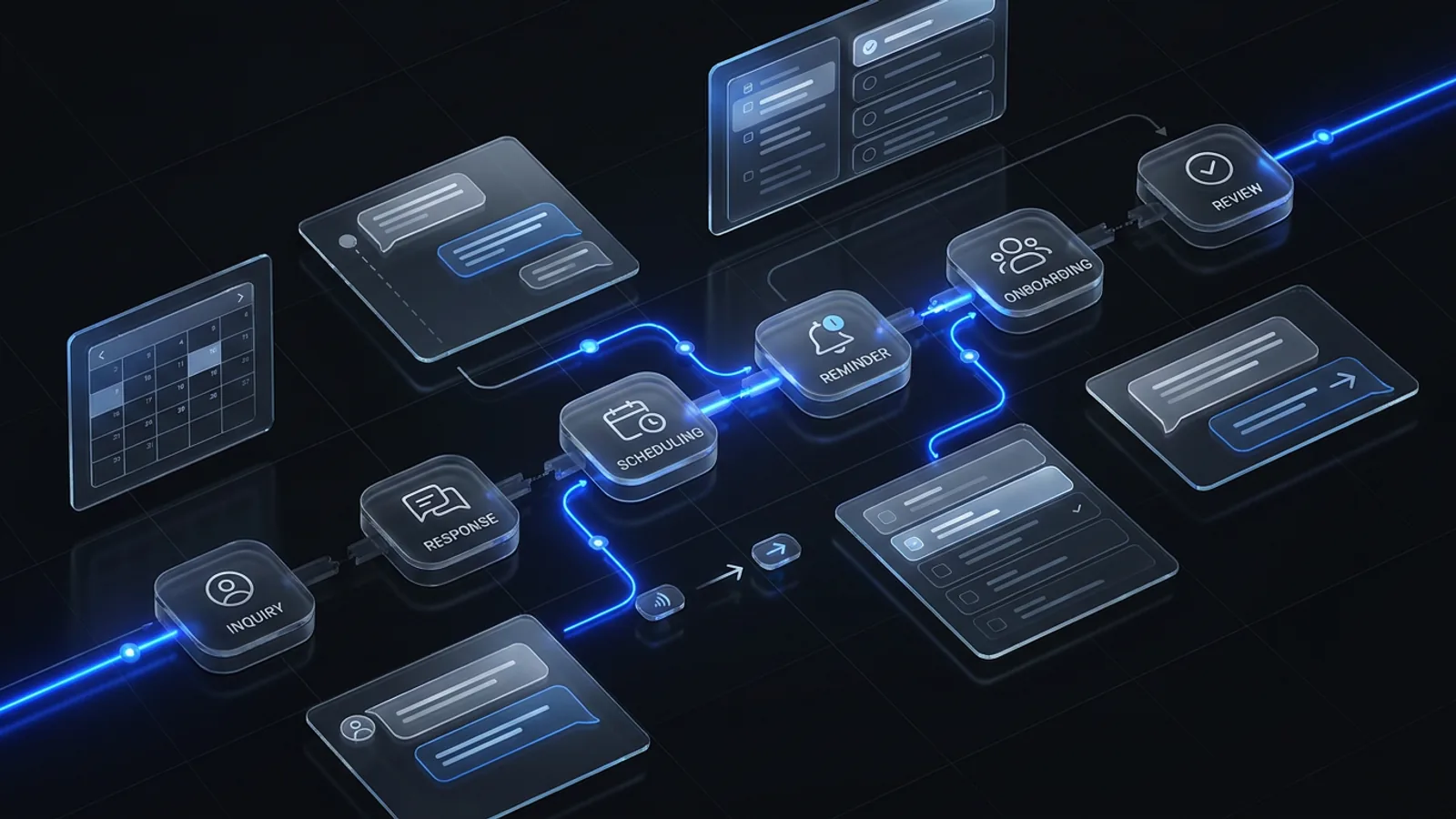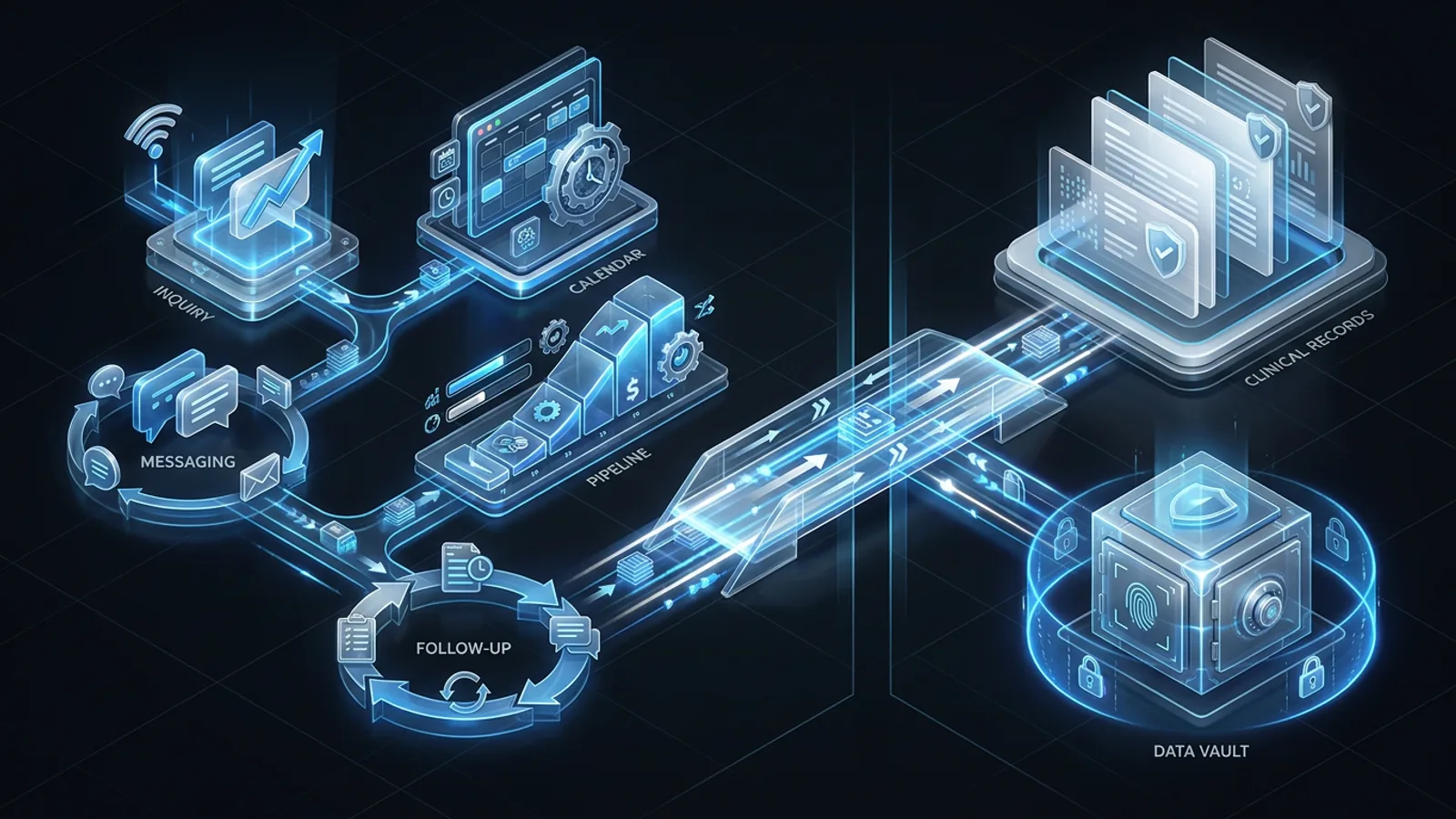
An EHR manages clinical health information, care documentation, and the record used by authorized care providers. A CRM manages the operational relationship around care, including inquiries, consultation booking, reminders, follow-up, pipeline visibility, and onboarding progress. A functional medicine practice may use both, but each needs a clear role.
The confusion starts when a practice expects one system to handle every part of the patient experience. An EHR is built around care and the health record. A CRM is built around communication, status, workflow, and the next operational action.
The Office of the National Coordinator for Health Information Technology describes an EHR as a digital, longitudinal record of a patient’s health information that is available to authorized healthcare professionals. That clinical purpose should stay central. The CRM supports the journey around it, not a competing clinical record.
The practical difference between a CRM and an EHR
| Area | CRM role | EHR role |
|---|---|---|
| New inquiries | Capture, source attribution, ownership, response tasks | Usually not the primary workspace |
| Consultations | Booking, confirmation, reminders, no-show recovery | Clinical appointment record when applicable |
| Follow-up | Operational messages, tasks, status, next-step visibility | Care-related communication and documentation as required |
| Onboarding | Progress, forms requested, welcome sequence, admin handoff | Clinical intake and health information |
| Care delivery | Not the clinical source of truth | Clinical notes, diagnoses, labs, medications, and treatment information |
| Reviews and referrals | Milestone-based operational requests and tracking | Usually outside the primary clinical workflow |
What the CRM should manage
For a functional health clinic, the CRM should make the non-clinical journey visible. That usually includes:
- Where each inquiry came from and who owns the response.
- Whether a consultation has been booked, confirmed, attended, or missed.
- Which follow-up sequence or manual task is active.
- Whether onboarding steps are waiting on the clinic or the patient.
- When an operational review or referral request is appropriate.
A useful CRM answers a simple question: what needs to happen next, and who is responsible?
What should stay in the EHR
Clinical records, care documentation, health history, diagnoses, treatment information, lab results, and other protected clinical data belong in the systems designed and approved for those purposes. Greatclicks does not replace an EHR or provide clinical charting.
Keep the CRM focused on the minimum operational information required to coordinate the journey. Avoid copying clinical detail into a growth pipeline simply because the field exists.
Your EHR manages care. Your CRM manages the journey around it.
How to design the handoff
- Define the conversion pointAgree on the event that changes a prospect into an onboarding patient.
- Choose the minimum fieldsMove only the information required for the next approved step.
- Assign a verification ownerSomeone should confirm the record or task arrived correctly.
- Plan for failuresCreate a visible exception when a connector, webhook, or API action does not complete.
- Test real scenariosTest a normal booking, cancellation, no-show, duplicate inquiry, and corrected contact detail before launch.
The technical connection depends on the tools involved. A native connector, supported webhook, or documented API may support a standard handoff. Closed systems, custom middleware, historical migration, or complex bidirectional synchronization require separate discovery and scope.
Three mistakes to avoid
Using the CRM as a shadow clinical record
This increases confusion and makes it harder for staff to know which system is authoritative.
Automating before the handoff is defined
A fast workflow can still move the wrong information to the wrong place. Map the decision first.
Assuming the connection will never fail
Every integration needs testing, monitoring, and an exception path that a real team member can resolve.
Frequently asked questions
What is the difference between a CRM and an EHR?
An EHR stores and supports clinical health information and care documentation. A CRM manages the operational relationship around care, such as inquiries, scheduling, reminders, follow-up, pipeline status, and onboarding progress.
Does a functional medicine practice need both a CRM and an EHR?
Many growing practices benefit from both because the systems solve different problems. The EHR remains focused on care and clinical records, while the CRM organizes the journey before and around care.
What should pass from a CRM to an EHR?
Only the information needed for the approved operational-to-clinical handoff should pass between systems. The exact fields and direction depend on the tools, available connectors, documented APIs, access, and workflow requirements.
Source: Office of the National Coordinator for Health Information Technology, Electronic Health Records and Their Benefits. Accessed July 28, 2026.

Aaron has worked with functional medicine practices since 2021, has specialized in GoHighLevel systems since 2020, and is a Biocanic integration partner.