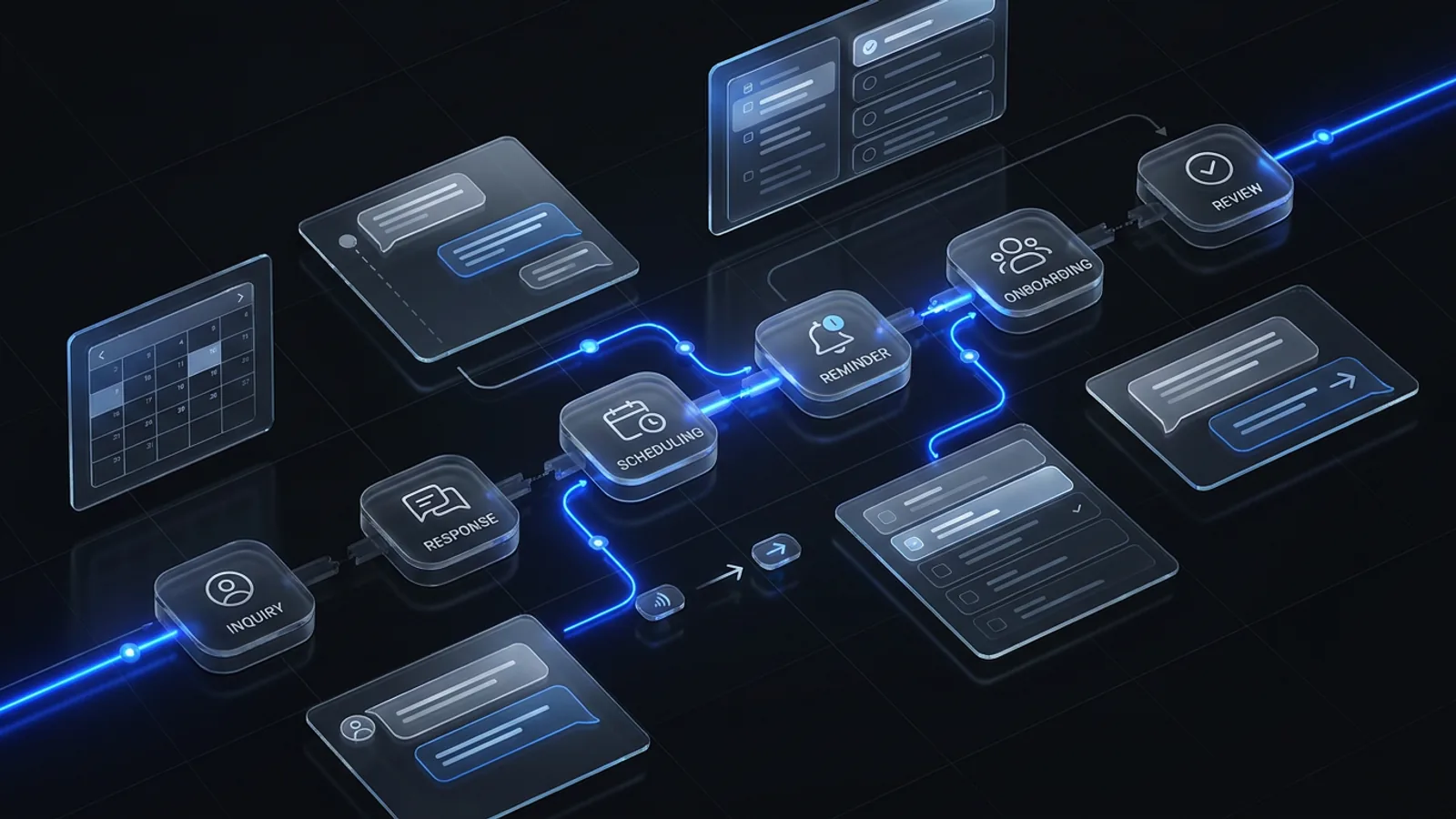
The seven follow-up gaps to check are: unowned inquiries, slow first responses, booking dead ends, weak reminders, no no-show recovery, unclear post-consultation next steps, and incomplete onboarding handoffs. Fixing them requires a visible owner, status, next action, due time, and stop condition at every stage.
A clinic can send many messages and still have an unreliable follow-up system. Volume is not the same as continuity. The real question is whether each person has one visible next step and whether the team knows who owns it.
Use the seven gaps below as a practical audit. Trace recent inquiries through the journey and look for places where progress depends on memory, an inbox search, or an assumption that someone else handled it.
The seven gaps to audit
- Inquiry received, but not ownedA form sends an email notification, yet no team member receives an assigned task or response deadline.
- The first response starts too lateInquiries wait until a team member has time to check several inboxes, spreadsheets, or message channels.
- The booking link becomes a dead endA prospect receives a calendar link, but there is no useful follow-up if they view it and do not book.
- Reminders confirm time, not readinessThe reminder says when the consultation is but does not clarify preparation, location, format, or how to reschedule.
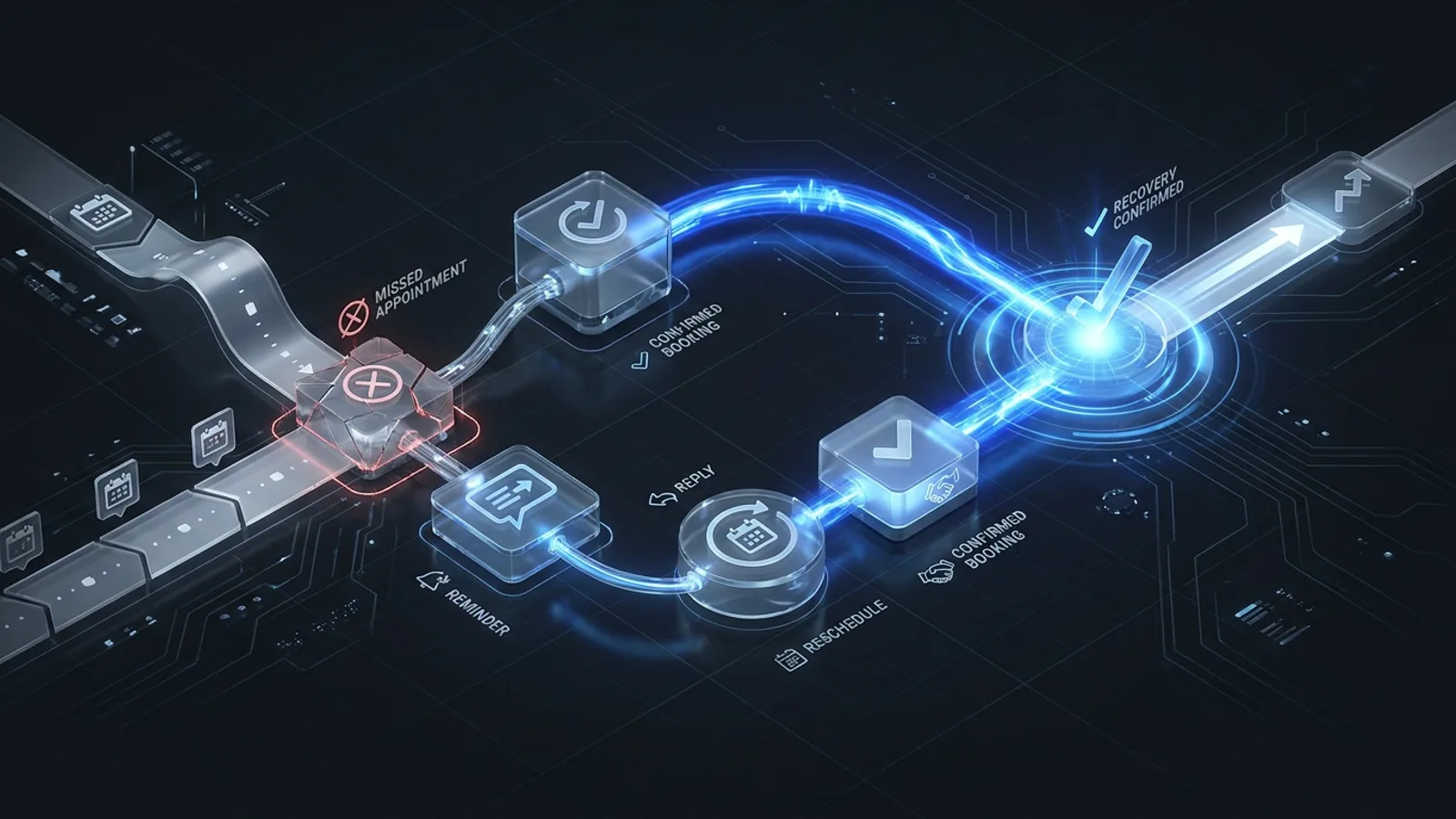
- A no-show closes the loopThe missed appointment is marked, but the system does not start a respectful rebooking path or alert an owner.
- The consultation has no defined outcomeAfter the call, the prospect sits in a vague status with no decision, next task, or follow-up deadline.
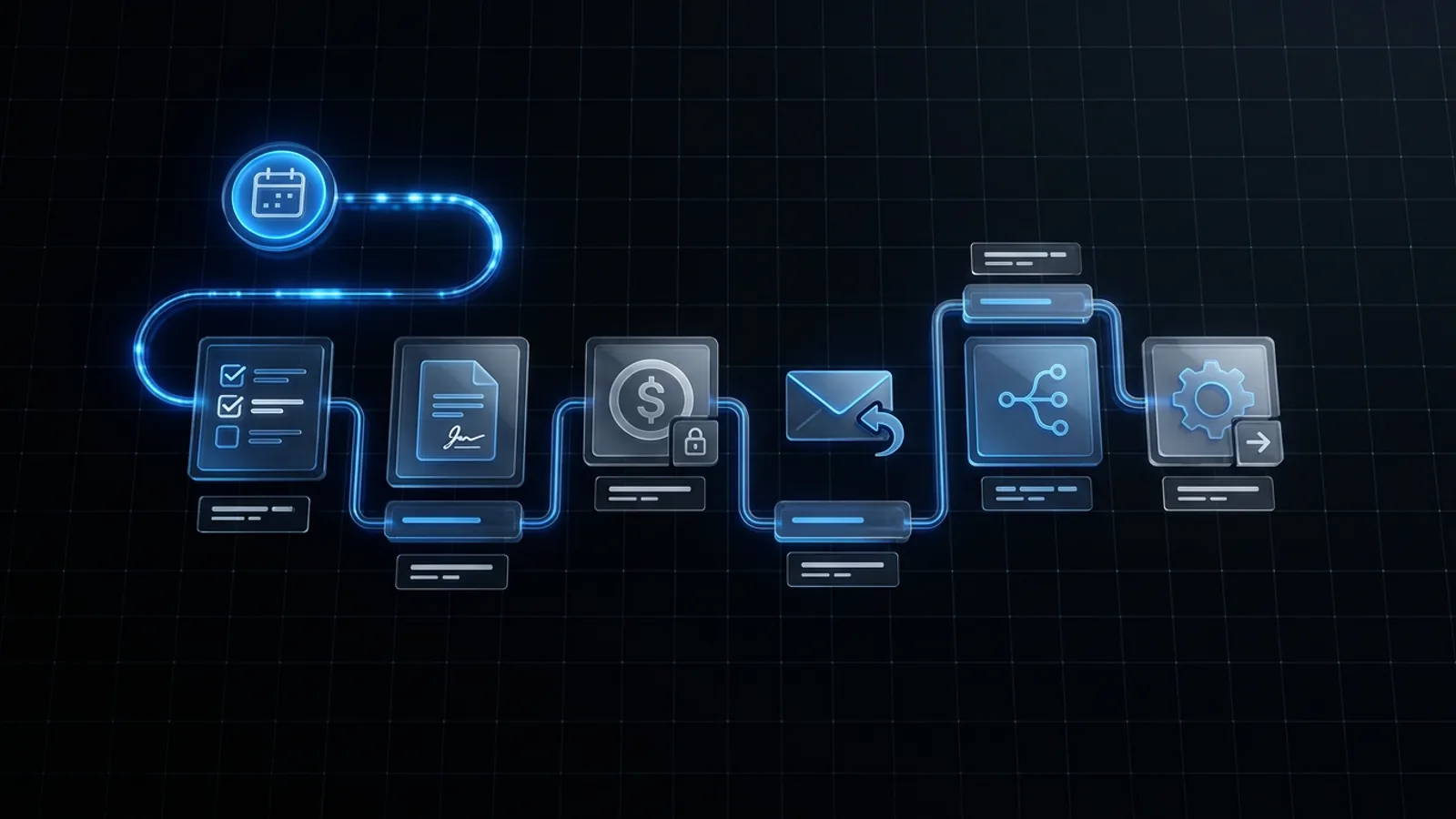
- Onboarding begins in fragmentsForms, agreements, payment, welcome information, and team handoffs arrive through separate uncoordinated processes.
Fix ownership before adding messages
For every stage, name one operational owner. That does not mean only one person can help. It means the system knows who is accountable for the next action.
A useful status view should show:
- The current stage and how the person entered it.
- The most recent completed action.
- The next expected action and due time.
- The assigned owner.
- An exception if progress is late, blocked, or duplicated.
Without those fields, another automated message can hide the problem instead of resolving it.
Build follow-up around decisions
A good sequence responds to decisions and behavior. It does not send the same campaign to everyone. Start with clear branches:
| Situation | System action | Human action |
|---|---|---|
| New inquiry | Confirm receipt, create status, assign owner | Review context and respond where needed |
| Link sent, not booked | Send a useful reminder with the next step | Check high-intent or complex inquiries |
| Consultation booked | Confirm, prepare, remind, allow rescheduling | Review readiness before the call |
| No-show | Start recovery path and update status | Intervene when the automated path does not resolve it |
| Decision pending | Schedule agreed follow-up and task | Continue the specific conversation |
Every sequence should stop when the person books, opts out, becomes ineligible, moves to a different path, or requires direct human review. A sequence without stop conditions creates noise and conflicting messages.
A 30-minute follow-up audit
- Choose five recent inquiries with different outcomes.
- Write down every message, task, handoff, and status change.
- Mark any delay where no owner or due time was visible.
- Mark any repeated data entry or conflicting message.
- Choose the one gap that affected the most journeys.
- Define the desired trigger, owner, action, status, and exit.
- Test the new path with normal and exception scenarios.
This approach keeps the work practical. Repair the highest-friction connection first, then continue through the complete functional medicine patient journey.
Frequently asked questions
What is the most common clinic follow-up gap?
A common gap is an inquiry notification without clear ownership. The clinic receives the lead, but no specific person, deadline, status, or escalation rule is attached to the next response.
How many follow-up messages should a clinic send?
There is no universal number. The sequence should match the offer, consent, communication channel, and stage. Each message should have a useful purpose, a clear next step, and an appropriate stop condition.
What should a clinic follow-up dashboard show?
It should show the current stage, owner, most recent action, next action, due date, and any exception that needs human attention.

Aaron has worked with functional medicine practices since 2021, has specialized in GoHighLevel systems since 2020, and is a Biocanic integration partner.